



The Leadership Blind Spot: Why We Ignore The Signals Of Stress
Your body warns you. Do you listen
The signals we push aside
Our mind and body are like twins, always communicating valuable information. They are not distractions, but loyal messengers whose signals alert us to stress that can undermine our leadership effectiveness if ignored. Yet most of us dismiss their messages as interruptions:
- A choking throat when your boss’s email appears.
- A sleepless night before a big presentation.
- Sweaty palms before the board meeting.
What do we usually do?
We explain them away. “Bad mattress. I care too much about my job. Too much coffee. That’s just how I am. I’m an introvert.”
While our bodies react internally, our daily responsibilities press on externally. We continue to work, care for kids and family, maintain our image as competent leaders—and so, we push through. Survive. Repeat.
A few years ago, as a therapist, I had a client lie back in my chair and say, “Brigita, for years I waited to feel better, believing the anxiety would just fade. I learned to ignore my shoulder pain and even got used to heart palpitations, as they became normal for board meetings. But it never stopped, and now I hope you can help because I can’t handle it anymore.”
I thought: “Sure, no pressure at all!” :)
First, I explained that ignoring doesn’t mean fixing. Her body was sending signals, and they don’t vanish; we just learn to send them underground of our conscious mind. I worked with many people who adjusted to chronic back or hip pain until they barely felt it, not because it was gone, but because they changed their movements in unnatural ways to protect themselves from the pain.
This leads to a deeper pattern I call:
the body’s Whisper → Speak → Scream.
Even when we invent ways to mask discomfort, remember: your body has its own language. Eventually, it becomes unmistakable, sometimes in disruptive ways.
- At first, it whispers: tight shoulders, a restless night.
- Ignore it, and it speaks louder: digestive issues, inflammation, skin flare-ups.
- Keep pushing, and it screams: chronic disease, autoimmunity, even collapse.
I’ve seen it repeat itself in teams and leaders at every level of an organization. They hold everything together during a major project—months of pressure, impossible deadlines. And then, the moment it’s over, their body collapses. Fever. Flu. Weeks of exhaustion.
Many of them see this repetitive response as a weakness. It’s not; it’s just biology.
This is what neuroscience calls allostatic load: the wear and tear on the body and brain that happens when stress keeps the brain in an extended state of high alert.
Once the stressor pumped by adrenaline —fast, sharp, designed to get you moving. Cortisol follows behind. It lingers longer, keeping you alert through drawn-out challenges, such as projects that last for weeks or months.
But when the storm passes and you finally slow down, cortisol levels drop. The immune system, which was partially suppressed, rebounds, and the body cashes in the debt. That’s why you don’t usually get sick during the crisis; you get sick after it.
So why do we ignore the signals of stress?
Our brains evolved for survival, not effective modern leadership. By equating stress signals with interruptions, we sideline vital information that impacts our performance and health. True self-awareness means decoding these stress signals and using them to guide ourselves toward improved leadership—rather than disregarding them and risking our effectiveness.
Stress isn’t the enemy. Your mindset is.
A twist in your life story happens when you understand that stress itself isn’t automatically harmful. Your belief about stress shapes how it affects your body.
A landmark study* of 30,000 adults found that people with high stress and the belief that stress was harmful had a 43% higher risk of premature death. What about those with high stress who saw it as helpful? They lived the same quality of life and just as long as people with low stress.
Stress isn’t the villain. It’s a critical signal from your body that can either undermine or enable your leadership. It plays a life-saving role when recognized and responded to. The difference is whether you use it to fuel effective leadership—or let it erode your influence by ignoring it.
The neuroscience of listening IN
Inside your brain, the insula —a region that helps you sense internal bodily states, such as your heartbeat, gut feelings, and breathing —is constantly scanning for changes. Another area, known as the anterior cingulate cortex (ACC), integrates these signals to help guide your decisions and actions.
Together, they form your inner dashboard. But if you’ve trained yourself to ignore discomfort and push through no matter what, it’s like driving with the orange warning light on. You only stop when the engine seizes.
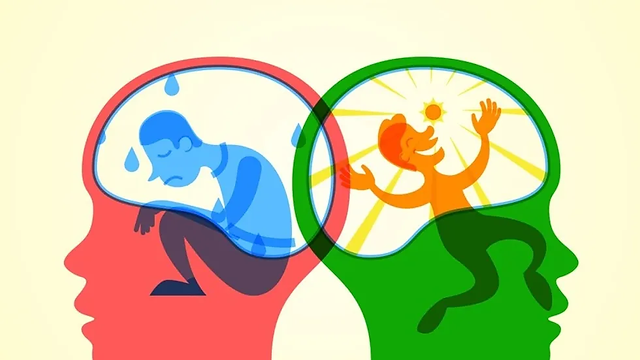
Self-Awareness: Beyond the coaching cliché
Real self-awareness doesn’t start with surface questions: “What did I do wrong?” “How did I sound in that meeting?” “What could I do better?”
Neuroleadership self-awareness skills begin by noticing and interpreting the body’s signals before they escalate.
- Hearing the whisper before it becomes a scream.
- Recognizing that stress is information, not just a response to danger.
- Reframing stress as a support system: a guide that sharpens you in moments of challenge.
When you elevate this level of self-awareness, you lead more effectively, becoming a partner with your body and brain. Stress is no longer the enemy; it becomes fuel for sustainable leadership.
Leaders grow by decoding their body’s stress signals early and responding before the costs escalate. This is the advantage most overlook—and one you can’t afford to ignore.

The Illusion of Control: Why Clarity Disappears Under Pressure
We like to think we’re in control of our decisions. Careful planning, rational analysis, and the b

Your brain wasn’t built for this speed of leadership
Lorem ipsum dolor sit amet, consectetur adipiscing elit, sed do eiusmod tempor incididunt ut labore